
First Try Scorer Betting: Tips & Strategy
 Available in US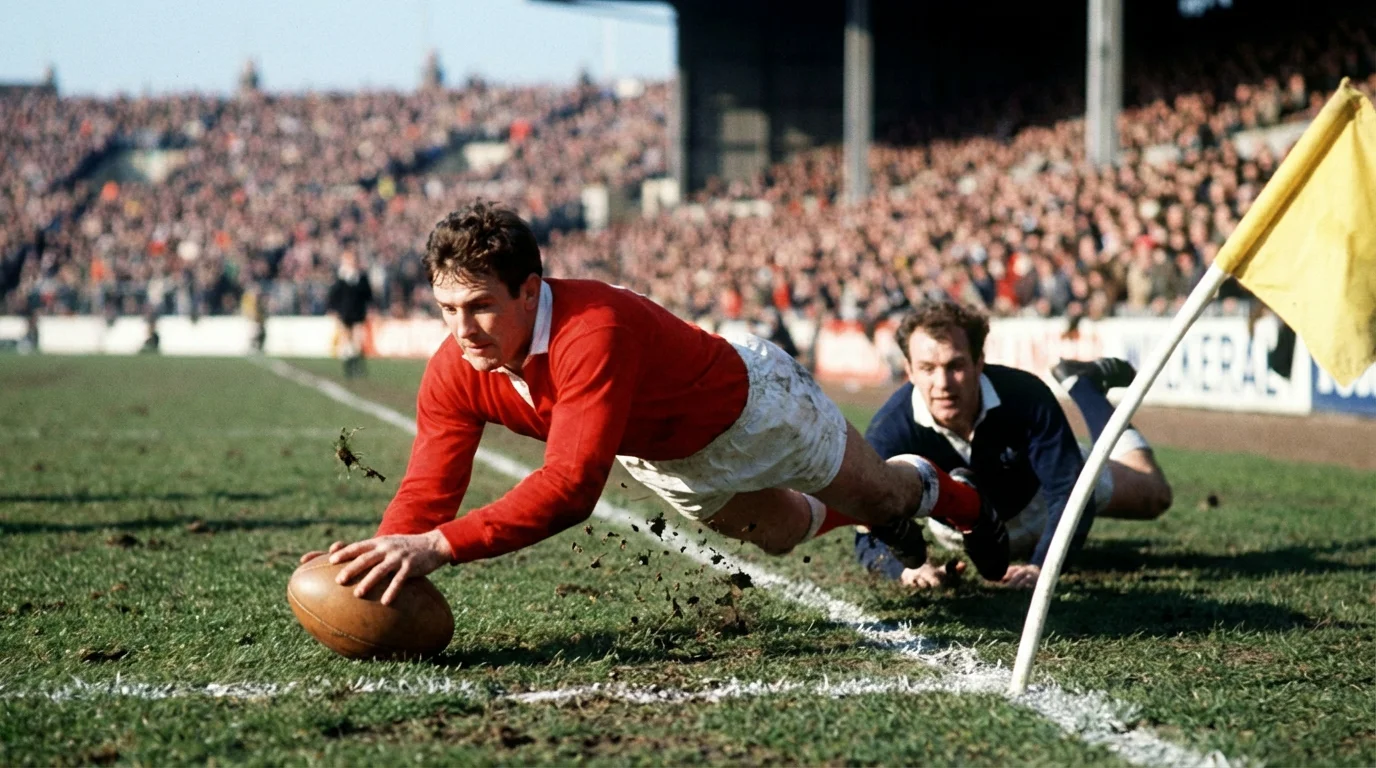

There is something uniquely thrilling about watching the opening minutes of a rugby match with a first try scorer bet in your pocket. Every linebreak, every overlap, every chip-and-chase becomes personally relevant. It is a market that combines genuine analytical opportunity with the kind of dopamine hit that makes sports betting addictive — in the best and worst senses.
The first try scorer market is also one of the highest-margin products bookmakers offer, which means finding value requires more work than usual. But the margins exist partly because recreational bettors chase famous names rather than studying who actually crosses the line first. That inefficiency is your opportunity.
Mechanics of the First Try Scorer Market
The bet is exactly what it sounds like: you pick the player you believe will score the first try of the match. If your player scores first, you win. If anyone else scores first, you lose. If the match produces no tries at all — rare in modern rugby but not impossible — most bookmakers void all first try scorer bets and return stakes.
Odds typically range from 6.00 to 30.00 in decimal format depending on the player. Starting wingers and fullbacks usually sit at the shorter end, while props and second-row forwards are priced as long shots. The disparity reflects genuine positional probability: back-three players score the majority of tries in professional rugby. But “majority” does not mean “always,” and the pricing gap between positions is where smart bettors hunt.
One critical detail: most bookmakers require your selected player to be in the starting XV for the bet to stand. If your pick is named on the bench and comes on as a substitute, the bet is typically voided. Some books extend this to “anytime try scorer” bets for subs but keep the first try scorer market exclusive to starters. Read the terms.
The Positional Breakdown
Wingers dominate first try scorer statistics. Across international rugby, wingers account for roughly 35-40% of all first tries scored. They line up on the edges where overlaps are most likely, they are the primary recipients of wide plays off set-piece, and when a team goes through multiple phases near the line, it is often the winger who finishes in the corner.
Fullbacks are the second most common position to score first, at around 15-20%. The modern fullback — think players in the mould of Beauden Barrett or Hugo Keenan — acts as an extra attacker in the backline, often entering the line at pace to create mismatches. A fullback who consistently joins the line in the opposition 22 is a strong first try scorer candidate, sometimes at better odds than the wingers outside him.
Centres sit in the middle of the probability spectrum. Inside centres are usually the least likely of the back four to score first because their primary role is carrying into traffic and setting up second-phase ball. Outside centres with pace and finishing ability — think Lukhanyo Am at his best — occasionally score first, but their odds rarely reflect enough value to justify the pick.
Loose forwards are the dark horses of this market. Number eights and openside flankers who operate around the fringes of rucks and mauls sometimes barge over for close-range tries that come before the backs even get the ball. If a team relies on pick-and-go around the ruck inside the 5-metre zone, their number eight might genuinely offer better value at 12.00-18.00 than a winger at 7.00.
Statistical Strategies for First Try Scorer Bets
The most common mistake bettors make in this market is selecting based on who scores the most tries overall rather than who scores first specifically. These are different things. A winger might top the try-scoring charts because he finishes four tries per match in the second half when defences tire, but he rarely gets the opening score. Meanwhile, another player might have modest overall try stats but a disproportionate number of first tries because his team’s set-piece plays feed him early.
To find genuine first try scorer value, track these three data points for each prospective pick. First, how many of the player’s total tries came as the match’s first try — not just his team’s first try, but the first try of the entire game. Second, how frequently does his team score the first try of the match overall? A player on a team that rarely scores first is swimming upstream regardless of individual talent. Third, what is the team’s primary attacking method in the opening 15 minutes? Teams that kick for territory early offer fewer first try chances to their backs than teams that run from the start.
Building a simple spreadsheet that tracks these variables across a half-season of data gives you a significant informational advantage over the casual bettor who picks the biggest name at the shortest price. The market is high-margin enough that even small edges compound into meaningful long-term profit.
Void Bets, Dead Heats, and Settlement Rules
First try scorer betting comes with quirks that other markets do not share, and understanding settlement rules can save you real money.
If a penalty try is awarded as the first try of the match, most bookmakers void all first try scorer bets because no individual player is credited with the score. This is important: a penalty try in the 12th minute means your bet is void regardless of who you picked. Some bettors view this as frustrating, but statistically it works in your favour — you get your stake back on a market where you had, at best, a 10-15% chance of winning.
Dead heats are extremely rare in first try scorer markets since two players cannot physically score at the same time. However, ambiguity sometimes arises around whether the ball was grounded by one player or another during a pile-up over the line. The TMO usually resolves this, and bookmakers settle based on the official match record. If the try is awarded to a player who was not on the original scoresheet and is later corrected, settlement follows the corrected version — though specific rules vary by sportsbook.
Players who are in the starting XV but leave the field injured before any try is scored present another edge case. Most bookmakers will void the bet on that specific player, returning the stake. If you spot a player warming up gingerly in the pre-match, it might be worth reconsidering your pick — though this is more art than science.
The Early Kick-Off Advantage
One underappreciated aspect of first try scorer betting is timing your bet around early kick-offs. When a match starts at 12:30 or 13:00 on a Saturday, team lineups are typically confirmed the day before, giving you time to see the starting XV and compare it against the bookmaker’s pre-announced odds. Bookmakers adjust their lines after team sheets drop, but the early kick-off window compresses their reaction time, occasionally leaving mispriced selections live for longer.
Morning matches in the Premiership or URC also tend to attract less sharp money, because professional bettors often focus their attention on the higher-profile afternoon fixtures. Lower liquidity in the first try scorer market at these times can mean odds linger at pre-team-sheet levels, creating a brief window of value.
If you are going to specialise in first try scorer markets, early kick-offs should be your bread and butter. The combination of confirmed lineups, reduced market efficiency, and thinner competition makes them the most exploitable fixtures of any given weekend.
The Art of Walking Away
No discussion of first try scorer betting is complete without a frank acknowledgment: this is a high-variance market. You will lose far more bets than you win, even with excellent selection. A 12% strike rate on well-chosen picks at average odds of 9.00 produces positive expected value, but it also means you will watch 88 out of every 100 bets lose. That psychological reality destroys many bettors who cannot handle extended losing runs.
The antidote is disciplined staking. Never put more than 1% of your bankroll on a single first try scorer bet. Treat each selection as one entry in a long probabilistic series. If your process is sound — tracking positional data, studying early-match attacking patterns, pricing your own odds before comparing to the market — the results will come. Just not every Saturday.
And here is one last tactical note: the best first try scorer bettors do not bet every match. They bet when they see a clear discrepancy between their assessment and the market price, and they sit on their hands when they do not. Restraint is not the absence of a strategy. It is the strategy.
